
Ukraine Tried Trust. It Got War.
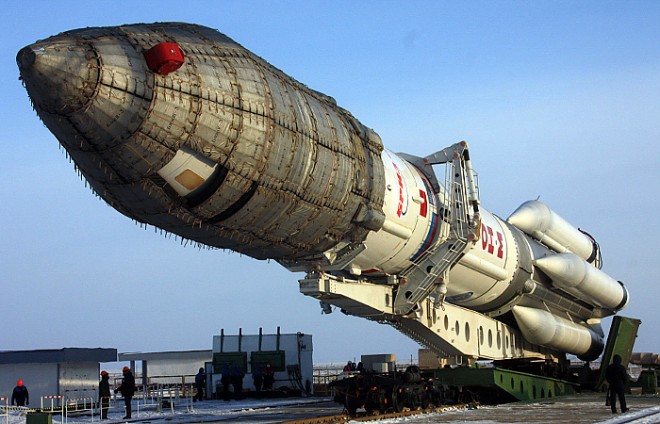
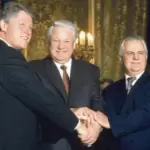
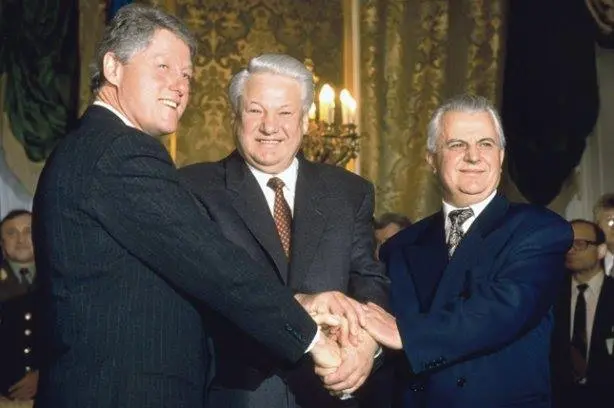
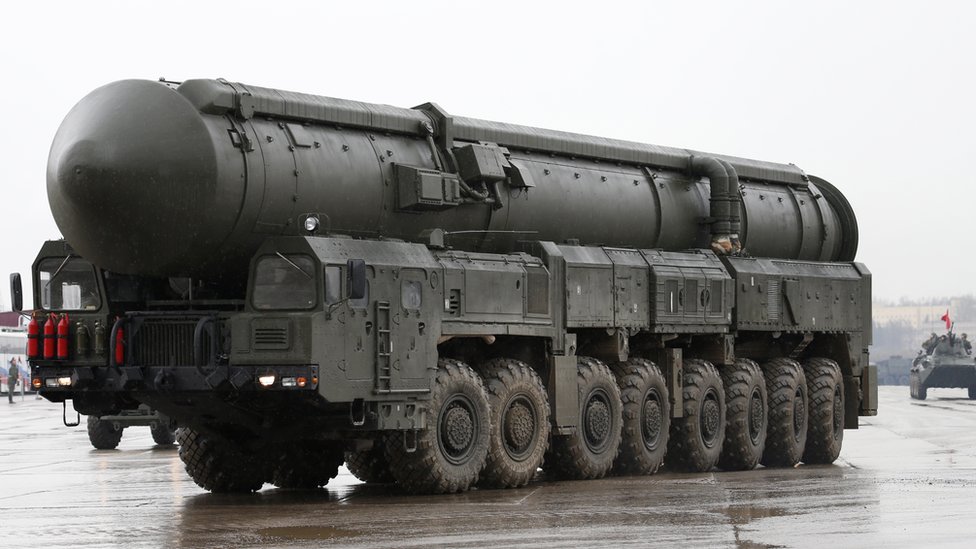
In the early 1990s, as the Soviet Union collapsed, Ukraine found itself in possession of the world’s third-largest nuclear arsenal. Rather than cling to that power, Kyiv chose a different path. In the name of global security and nuclear nonproliferation, Ukraine voluntarily surrendered every nuclear weapon it held. Most were transferred to Russia under the 1994 Budapest Memorandum.
In return, Ukraine received solemn assurances. Russia, the United States, and the United Kingdom pledged to respect Ukraine’s sovereignty, independence, and existing borders.
Thirty years later, those assurances lie in ruins—buried under Russian tanks and missiles.
This history matters now, because proposals are once again circulating that echo the logic of Budapest: Ukraine should give up leverage, accept neutrality, trust Moscow’s word, and rely on international guarantees to secure peace. That formula has already been tested. It failed catastrophically.
Repeating it would not end the war. It would lay the groundwork for the next one.
Russian President Vladimir Putin has never concealed his view of the post-Soviet world. In 2005, he famously described the collapse of the Soviet Union as “the greatest geopolitical catastrophe of the century.” For Putin, Ukraine’s independence—and that of other former Soviet republics—is not a settled fact but a historical error to be corrected.
Over more than two decades in power, Putin has refined a familiar strategy inherited from the Soviet playbook: “salami tactics.” Territory is taken slice by slice, each move calibrated to remain just below the threshold that would trigger a unified Western response. The approach is incremental, cynical—and devastatingly effective
In the early 1990s, Russian forces backed separatists in Transnistria, carving out a Moscow-controlled enclave inside Moldova that remains unresolved and unrecognized by any United Nations member state. Around the same time, Russia armed and supported separatist movements in Georgia’s Abkhazia and South Ossetia, a campaign that culminated in a full-scale invasion in 2008.
Russia fought two brutal wars to crush Chechen independence between 1994 and 2009. It intervened militarily in Syria from 2012 onward to prop up Bashar al-Assad and secure strategic naval access. In 2014, it annexed Crimea and occupied parts of eastern Ukraine. In 2022, it launched a full-scale invasion of Ukraine itself.
This is not the behavior of a state that honors agreements. It is the behavior of a regime that treats signed documents as tactical pauses between acts of aggression.
Putin has also broken explicit promises in real time. In 2008, he assured U.S. President George W. Bush that Crimea was Ukrainian and would remain so. In late 2021 and early 2022, Russian officials repeatedly denied plans to invade Ukraine—even as nearly 190,000 troops amassed along its borders.
Today, Moscow once again presents itself as a reasonable peacemaker, offering to “guarantee” Ukraine’s security if Kyiv accepts neutrality, demilitarization, and the permanent loss of vast swaths of its territory. The script is familiar: relinquish your defenses, trust Moscow, and let great powers manage your fate.
Ukraine has already lived through that experiment.
A genuine, fair, and durable peace cannot be built on paper guarantees from a leader who has spent 25 years demonstrating that his word is conditional, reversible, and disposable. Any settlement that rewards aggression, leaves Russian troops on Ukrainian soil, or relies yet again on Moscow’s assurances will not bring peace. It will merely start the countdown to the next war.
Real peace requires something different—deterrence that the Kremlin actually respects. That means irreversible security guarantees backed by hard power, not parchment. Anything less is not peace. It is simply the next slice of salami.
Maria Novichenkova for Capitol Hill Post.