


Lockheed Martin and NASA’s X-59 Supersonic Jet Completes Successful First Flight
By [Author Name] | The Washington Post | October 30, 2025
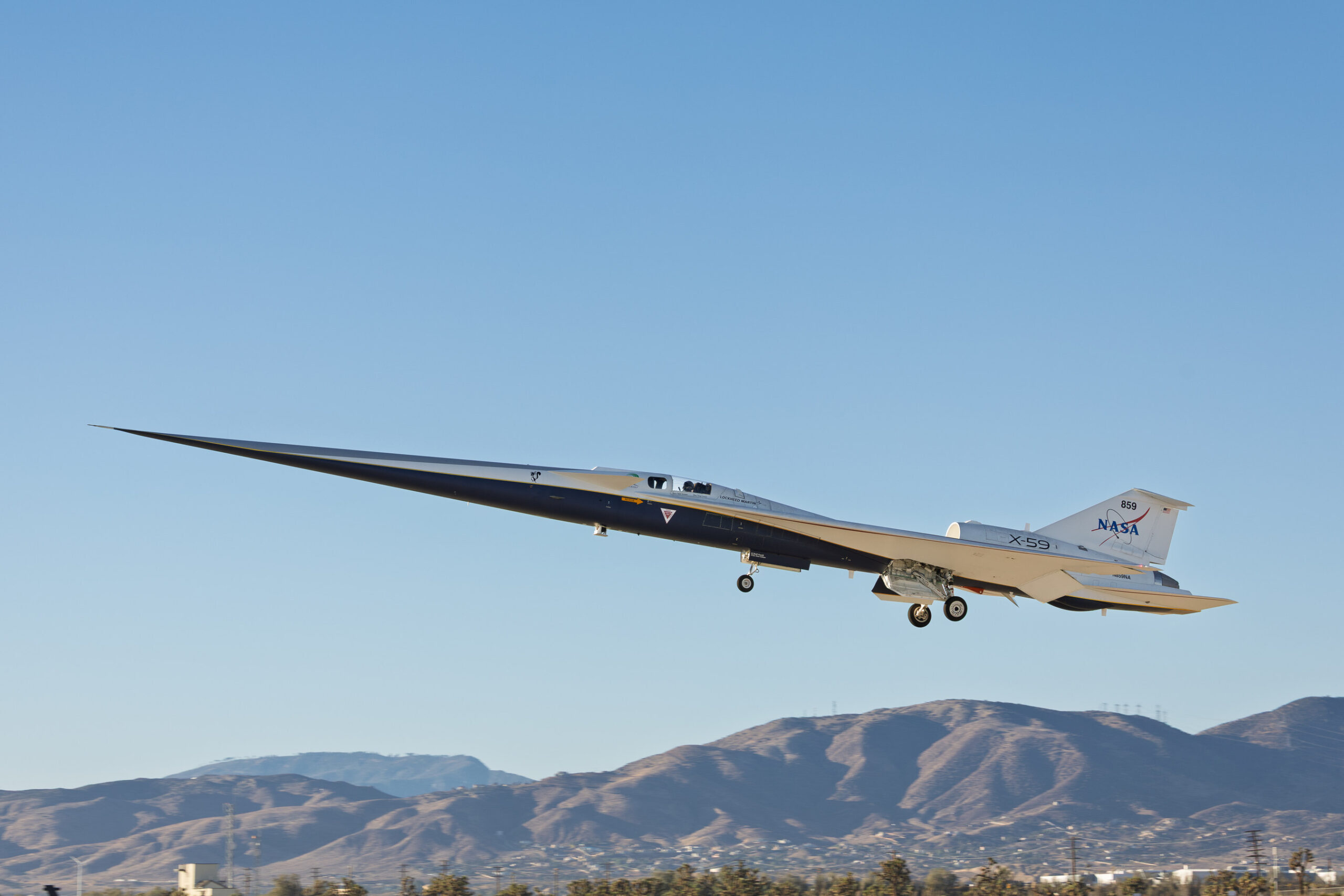
PALMDALE, Calif. — Lockheed Martin announced the successful maiden test flight of its X-59 supersonic aircraft, a sleek experimental jet developed in partnership with NASA to usher in a new era of faster-than-sound travel without the disruptive sonic boom.
The X-59 took off from Lockheed Martin’s famed Skunk Works facility at Plant 42 in Palmdale, California, and completed a smooth flight to its landing site near NASA’s Armstrong Flight Research Center in Edwards, California.
“The X-59 performed exactly as planned, confirming its flight characteristics and aerodynamics before safely landing at its new home,” the company said in a statement.
The milestone marks a major step in NASA’s Quesst (Quiet SuperSonic Technology) program, which aims to demonstrate that supersonic aircraft can fly over land without producing the thunderous booms that led to a decades-long ban on commercial supersonic travel in the United States.
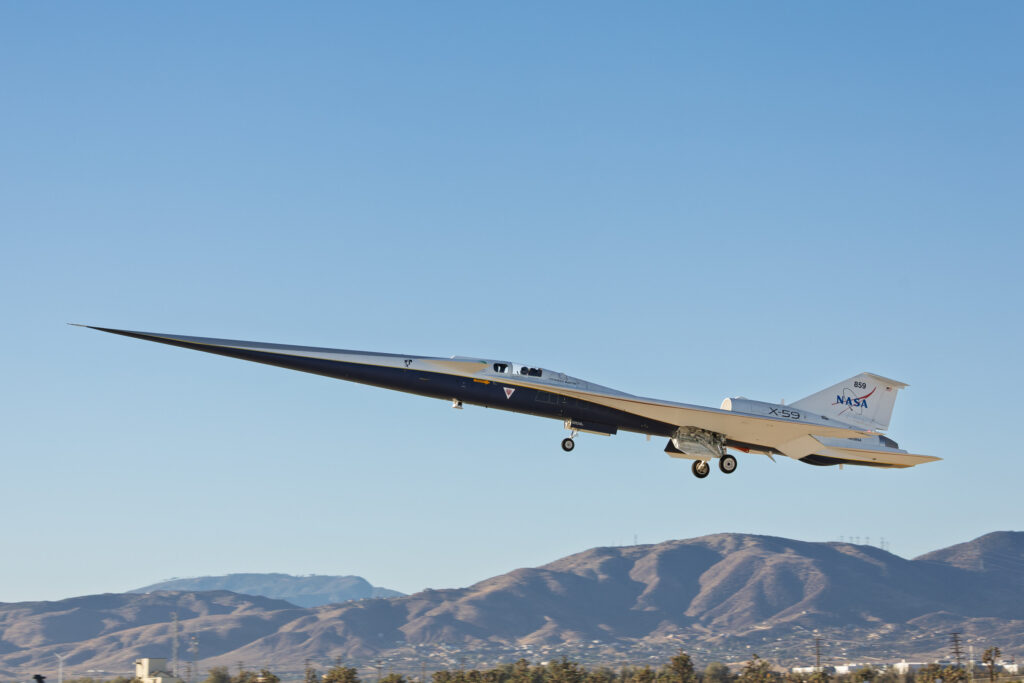
Unlike previous supersonic jets such as the Concorde, which generated ear-splitting shock waves, the X-59 is engineered to reshape those pressure waves into a gentle thump—what engineers describe as a “soft pop.” If the technology proves successful, it could pave the way for a new generation of commercial airliners capable of flying at speeds up to Mach 1.4, cutting travel times across continents by half.
In the coming months, Lockheed Martin and NASA will conduct a series of test flights to gradually push the aircraft toward supersonic speeds and assess its performance at high altitude. The data will be used to help U.S. and international regulators determine whether future supersonic passenger flights can operate over populated areas.
“This flight brings us one step closer to making quiet supersonic travel a reality,” NASA officials said, noting that the upcoming test phase will include community overflight studies to gauge public perception of the aircraft’s sound profile.
If successful, the X-59 could revolutionize air travel—reducing flight times between cities like New York and Los Angeles to just over two hours—and restore America’s leadership in high-speed aviation innovation.
The X-59 program represents one of the most ambitious collaborations between NASA and the aerospace industry in decades, blending cutting-edge engineering with the promise of a quieter, faster future for global air travel.