

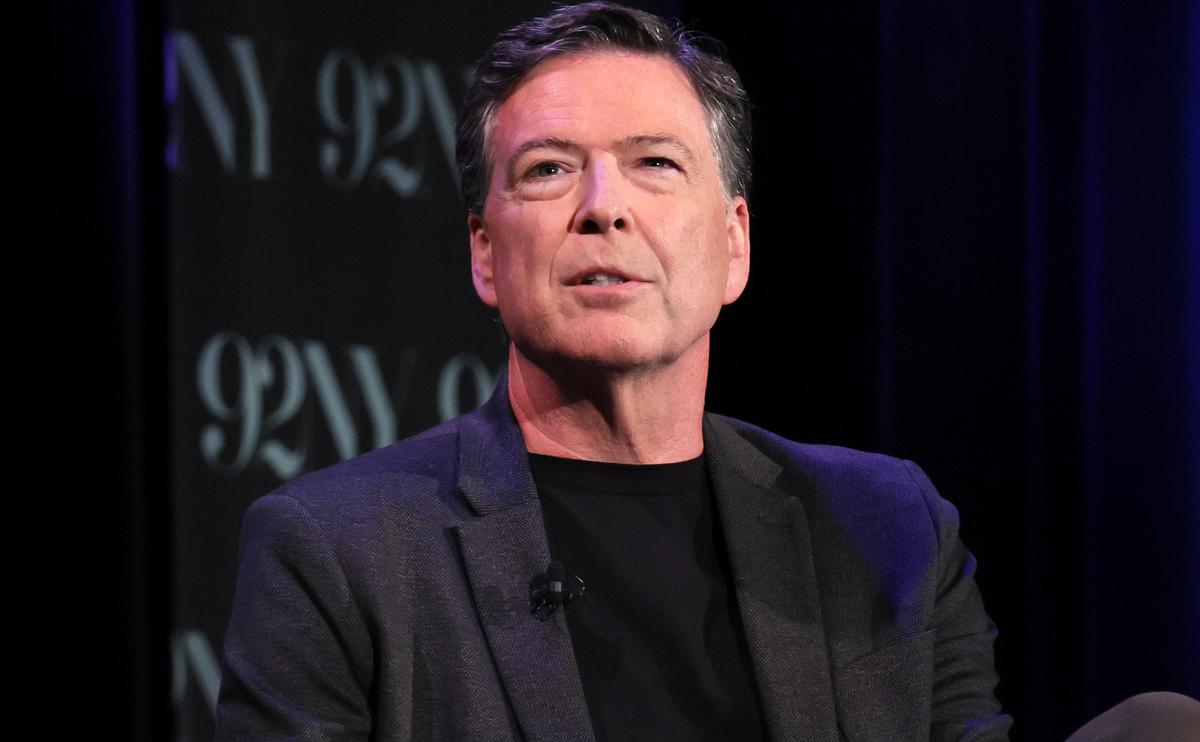
James Comey Pleads Not Guilty to Federal Charges of Perjury and Obstruction
By Conrad Green
Former FBI Director James Comey pleadednot guilt Wednesday to fedeperju and obst, mark
Prosecutors allege that Comey made false statements during his September 30, 2020 teSenate Judiciary Committee, den2016 investigation into Hillary Clinton’s p.
The case revives long-standing political and institutional divisions surrounding the FBI’s conduct during the 2016 election and its aftermath, setting the stage for a high-profile legal battle with potentially far-reaching consequences.
Trial Set for Early 2026
Comey’s trial is scheduled to begin on January 5, 2026, in the U.S. District Court for the Eastern District of Virginia, before Judge Michael Nachmanoff. The proceedings are expected to last two to three days, according to statements from both the prosecution and the defense.
Comey is represented by veteran defense attorney Patrick Fitzgerald, who told the court he intends to seek a dismissal of the case on the grounds of vindictive and selective prosecution.
The prosecution is being led by two federal prosecutors from North Carolina, a decision that followed reports of resistance from within the Eastern District of Virginia’s U.S. attorney’s office to take on the case.
Acting U.S. Attorney Lindsey Halligan, appointed by former President Donald Trump, personally requested the grand jury indictment — a move that Fitzgerald called “illegal,” alleging abuse of grand jury power and government misconduct.
Judge Pushes for Transparency
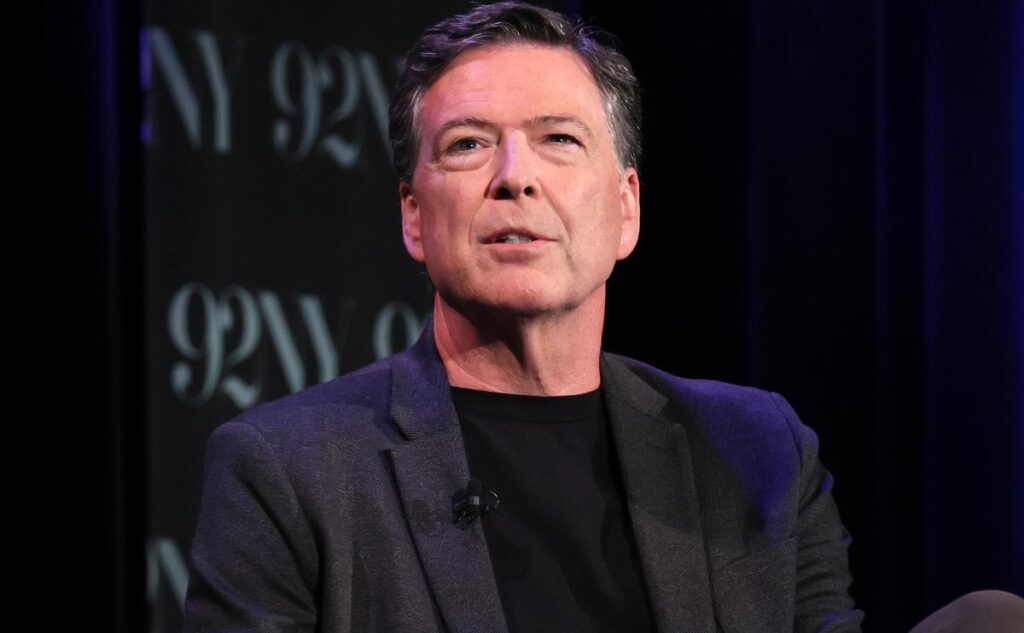
During Wednesday’s hearing, Judge Nachmanoff characterized the case as “not overly complex” and cautioned prosecutors against delaying the discovery process. He warned that the court would not tolerate government slowdowns in turning over evidence to the defense, noting that disputes over classified materials often stall such cases.
Both sides indicated that, despite the potential sensitivity of some evidence, they anticipate a relatively straightforward trial.
Political and Institutional Fallout
The charges against Comey are likely to carry significant political implications, given their origins during the Trump administration and the former director’s central role in investigations that shaped the 2016 and 2017 political landscape.
Analysts say the case could further strain public confidence in the FBI and the Department of Justice, particularly if the prosecution is perceived as politically motivated or procedurally irregular.
“The risk is not just legal — it’s institutional,” said one former senior Justice Department official who spoke on the condition of anonymity. “Every step of this trial will be watched as a referendum on whether justice in Washington is still impartial.”
A Test of Institutional Credibility
The prosecution has suggested that the case involves classified materials, though Judge Nachmanoff appeared to minimize the complexity such evidence would add. Still, any handling of sensitive information could invite renewed scrutiny from congressional oversight committees and intelligence officials.
Observers warn that the case may deepen media polarization and revive public debate about the independence of federal law enforcement. It could also test internal morale within the FBI and the Justice Department as career officials navigate renewed political attention.
Looking Ahead
Pretrial motions challenging the legality of Halligan’s appointment and the conduct of the grand jury are expected in the coming weeks. Legal experts anticipate that the court’s handling of those motions could determine how swiftly the case moves forward — and whether it proceeds to trial as planned in January.
With the 2026 election cycle approaching, the Comey case is likely to reemerge in campaign rhetoric and political discourse. For many in Washington, the trial will serve as a measure not only of Comey’s credibility, but also of the justice system’s ability to separate law from politics.