



By Conrad Redclif. 10 .
Asian stock markets are entering a new phase of rebalancing, driven by diverging monetary policies, renewed export strength, and the rise of emerging players such as Vietnam. The region’s equity performance this year underscores both its growing weight in global portfolios and its persistent vulnerabilities to policy shocks from Tokyo, Washington, and Beijing.
Japan leads — but the yen looms large
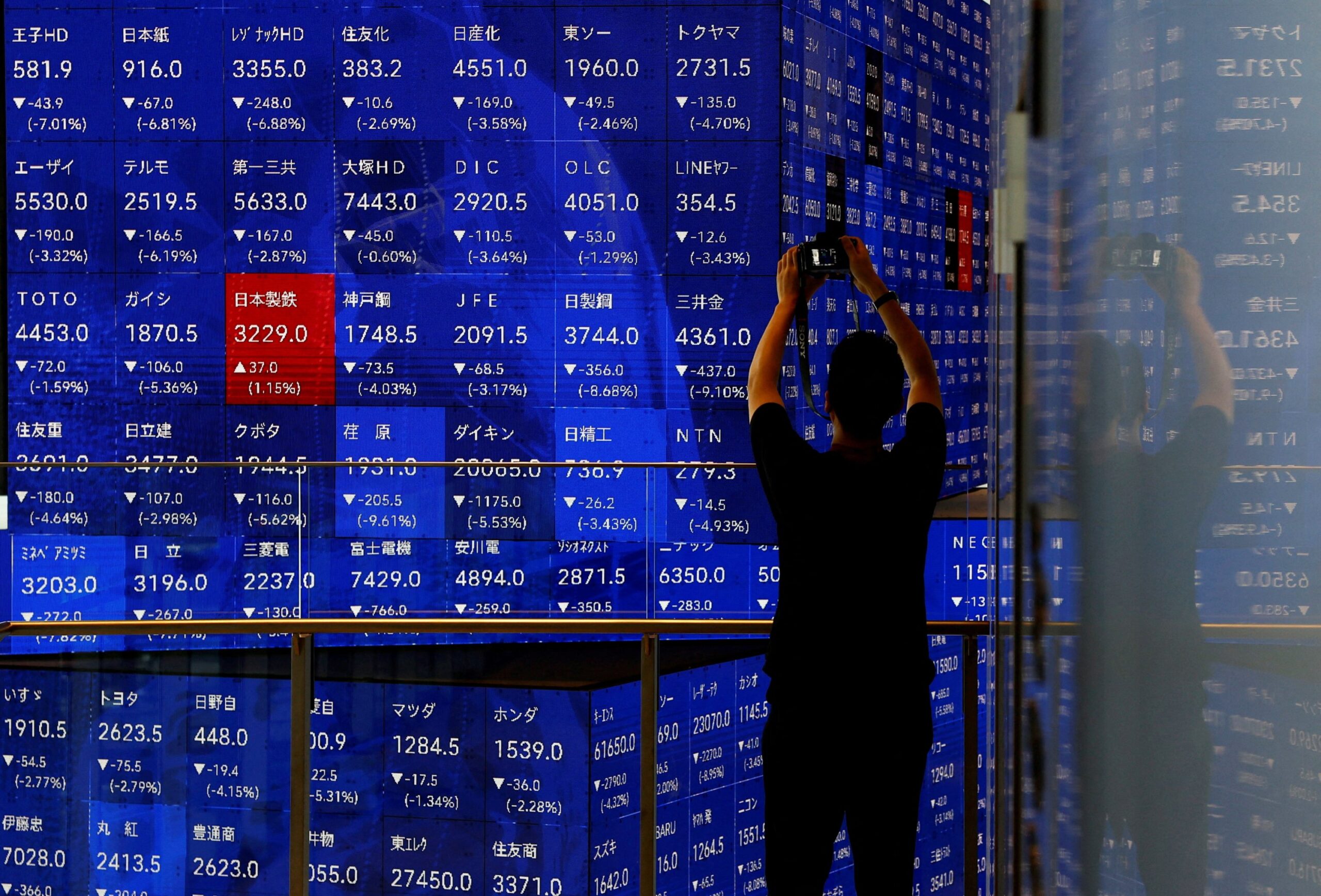
Japan’s benchmark Nikkei index has surged to record highs, propelled by robust corporate earnings and a weaker yen that has boosted exporters from Toyota to Sony. Yet the rally sits uneasily beside mounting political pressure on the Bank of Japan to rein in inflation and strengthen the currency.
Markets are betting that the central bank could begin tightening sooner than expected — possibly at its October policy meeting — a move that could jolt currency markets and ripple through regional trade networks.
“The yen’s trajectory is no longer just a domestic issue,” said one Tokyo-based strategist. “It’s becoming the key variable for Asian capital flows.”
China’s two-speed recovery
In China, the world’s second-largest economy is showing signs of uneven stabilization. Exports and advanced manufacturing are outperforming, but weak domestic consumption and a still-fragile property sector continue to weigh on growth.
Investors are taking a selective approach: buying into high-tech and industrial firms while steering clear of real estate and consumer discretionary stocks. Beijing’s reluctance to announce large-scale stimulus has kept market sentiment cautious, though targeted credit easing has provided some support to key industries.
“The Chinese recovery is real but narrow,” said an analyst at a Shanghai brokerage. “Manufacturing and exports are carrying the weight while households are still in defensive mode.”
Hong Kong rebounds, ASEAN gains traction
Hong Kong’s Hang Seng Index has emerged as one of the region’s top performers this year, benefiting from an improving global risk environment and hopes of a gradual Chinese rebound. The rally has been led by technology and financial shares, but investors remain wary of the city’s exposure to mainland sentiment and U.S.-China tensions.
Further south, Southeast Asia is drawing renewed attention. Vietnam’s recent upgrade by FTSE Russell from “frontier” to “emerging market” status has triggered an immediate influx of portfolio capital, with analysts predicting billions of dollars in passive inflows as global index funds adjust their holdings.
“This is a turning point for Vietnam,” said a Singapore-based fund manager. “It’s the kind of upgrade that reshapes capital allocation for a decade.”
Policy divergence defines the outlook
The next few months could prove decisive for Asia’s financial trajectory. Global investors are watching three key policy fronts:
The U.S. Federal Reserve, which is widely expected to begin cutting rates later this year, potentially boosting risk appetite and capital flows into Asia.
The Bank of Japan, whose first meaningful tightening in decades could abruptly shift the region’s funding landscape.
China’s leadership, which faces the delicate task of balancing stimulus with longer-term financial stability.
A misstep on any of these fronts could trigger volatility across currencies, bonds, and equities. The yen’s movement alone — hovering near multi-decade lows — could redefine competitiveness and capital flows throughout Asia.
The next frontier
Amid the larger economies’ policy dilemmas, smaller markets are beginning to capture global attention. Vietnam’s promotion follows years of export-driven growth and market liberalization, while Indonesia and India continue to attract inflows linked to supply-chain diversification and renewable investment.
But as global funds move in, analysts warn that liquidity mismatches and ownership limits could create short-term distortions. “When frontier markets get upgraded, the inflows come fast — and they can reverse just as quickly,” noted a senior economist in Hong Kong.
The broader picture
Asia’s markets now reflect a region in transition: technologically competitive, globally interconnected, but still sensitive to policy miscommunication and capital flow reversals. For Washington, Tokyo, and Beijing alike, the message is clear — financial stability in the Indo-Pacific will hinge less on domestic fundamentals than on how effectively the region navigates its growing interdependence.
In the words of one regional strategist: “Asia is no longer just reacting to global trends. It is the trend