

Trump Announces Breakthrough Gaza Peace Deal Between Israel and Hamas
By Daniel D Green
October 8, 2025
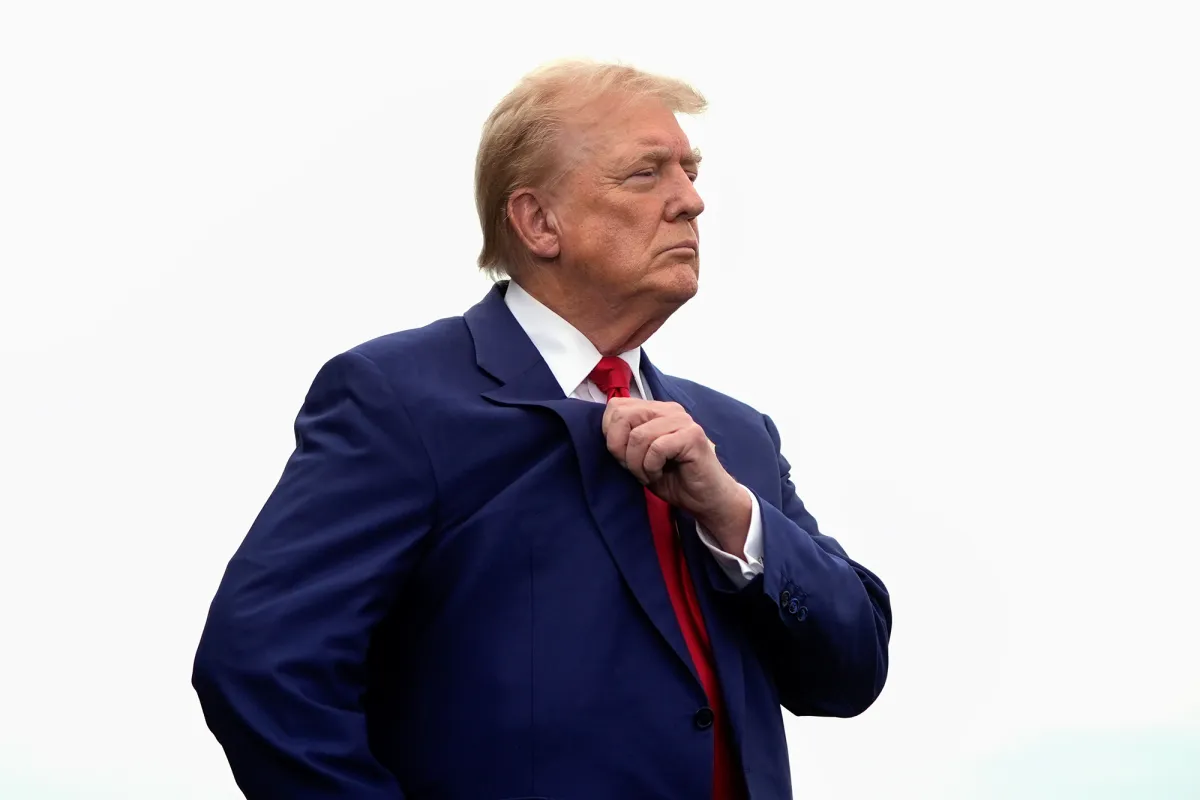
WASHINGTON — President Donald Trump announced Wednesday that Israel and Hamas have reached agreement on the first phase of a Gaza peace deal, marking the most significant diplomatic breakthrough in the region in more than two years.
The agreement reportedly calls for the full release of hostages and a phased withdrawal of Israeli troops to pre-agreed positions. Key operational details, however, remain unresolved. The announcement followed weeks of U.S. engagement and continued mediation by Egypt and Qatar. Trump highlighted his administration’s role in facilitating the agreement in a social media post, describing it as a “rare success” in one of the world’s most protracted conflicts.

A Diplomatic Win for the U.S.
Experts say the agreement represents a notable success for U.S. diplomacy, with Trump leveraging personal relationships with Israeli and regional leaders to help broker the deal.
“This is a strategic and symbolic victory for American diplomacy,” said a senior U.S. foreign policy analyst. “It demonstrates that personal engagement and sustained mediation can produce results even in protracted conflicts like the one in Gaza.”
Analysts also note that the deal could help restore U.S. credibility in the Middle East after years of waning influence amid regional instability and ongoing violence.
Regional Implications and Challenges
If implemented, the ceasefire could significantly reduce cross-border violence and civilian casualties. Still, experts caution that the agreement faces several potential challenges:
- Implementation Uncertainty: Hamas has not yet received the final list of prisoners Israel plans to release, leaving the potential for renewed tensions.
- Factional Resistance: Hardline elements within Hamas and Israeli security forces could attempt to undermine the deal through unauthorized actions or public dissent.
- Governance Gaps: A ceasefire without a clearly defined postwar governance framework could create a power vacuum in Gaza, empowering rival militant groups or criminal networks.
The agreement may also reshape broader regional dynamics. Egypt and Qatar, acting as mediators, stand to gain diplomatic leverage, while Iran could see the deal as a setback to its influence over Hamas. Turkey could also try to reassert its regional presence by appealing to constituencies opposed to the ceasefire.
Information and Perception Risks
The reported death toll in Gaza—over 67,000 people, including more than 20,000 children, according to the Hamas-controlled Health Ministry—continues to influence both local and international perceptions. Independent verification remains limited, raising the risk of disinformation campaigns by actors such as Iran or Russia seeking to challenge U.S. credibility.
Looking Ahead
Officials say the agreement presents a “small but real” opportunity to restore U.S. leadership in post-conflict planning. Analysts emphasize the need for ongoing monitoring, diplomatic coordination, and strategic communications to ensure the ceasefire holds and prevent spoilers from undermining progress.
While the deal represents a significant milestone, experts caution that premature celebration without robust enforcement mechanisms could lead to renewed instability in the region. working spaces.